Sikkim is a mountainous state in northeast India, bordered by Nepal, Bhutan, China (Tibet),and West Bengal. Famous for the majestic Mount Kangchenjunga, diverse biodiversity, and Buddhist monasteries, it became India's first 100% fully organic state. The capital is Gangtok.
Key Facts
- Capital: Gangtok
- Location: Eastern Himalayas
- Area: 7,096 square kilometers (2,740 sq mi)
- Population: ~6.3 lakhs (approx. 630,000)
- Highest Peak: Mount Kangchenjunga (8586 meters / 28,169 feet) - the world's third-highest mountain.
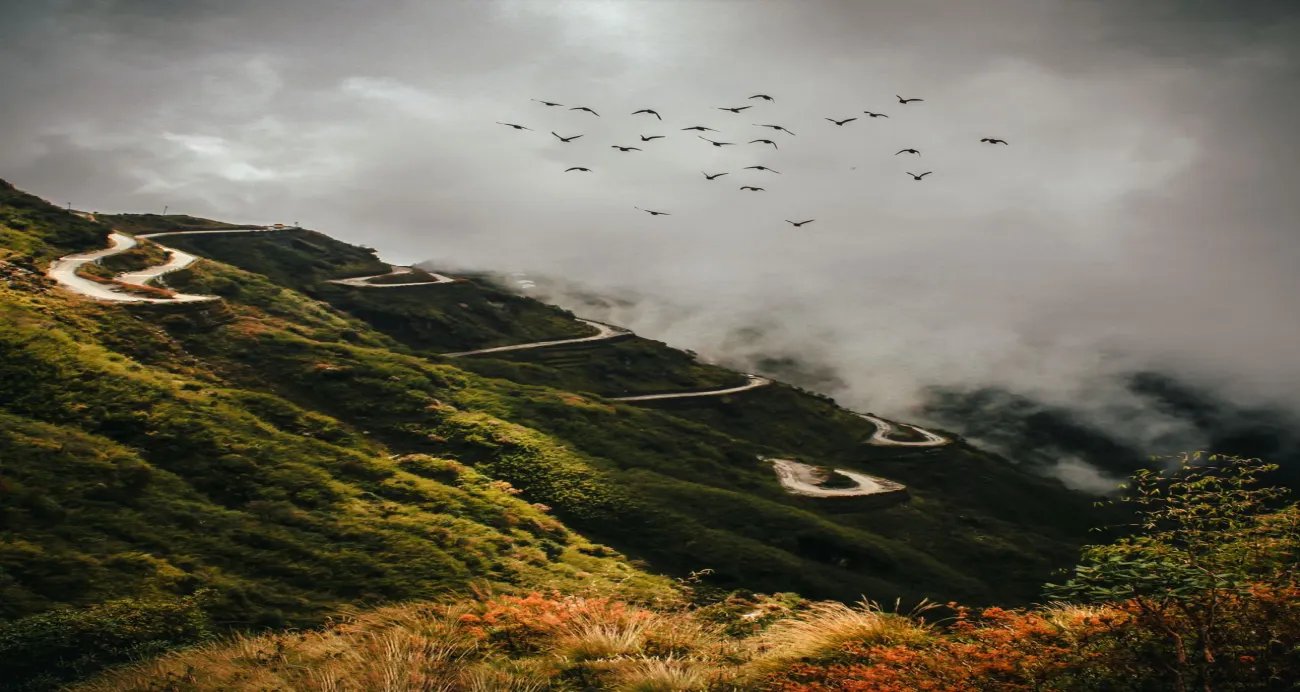
Surrounded by the Himalayas, Sikkim’s terrain ranges from subtropical forests in the south to alpine tundra in the north. The major waterway is the Teesta River. The climate is extreme, varying widely based on elevation.
Sikkim is a melting pot of cultures, primarily composed of Lepcha, Bhutia, and Nepalese ethnic groups. Nepali, English, Sikkimese (Bhutia),and Lepcha are the primary official languages. The state is rich in Buddhist culture and houses numerous historic monasteries like Rumtek.
- Gangtok: The capital and main hub, offering attractions like M.G. Marg and the Namgyal Institute of Tibetology.
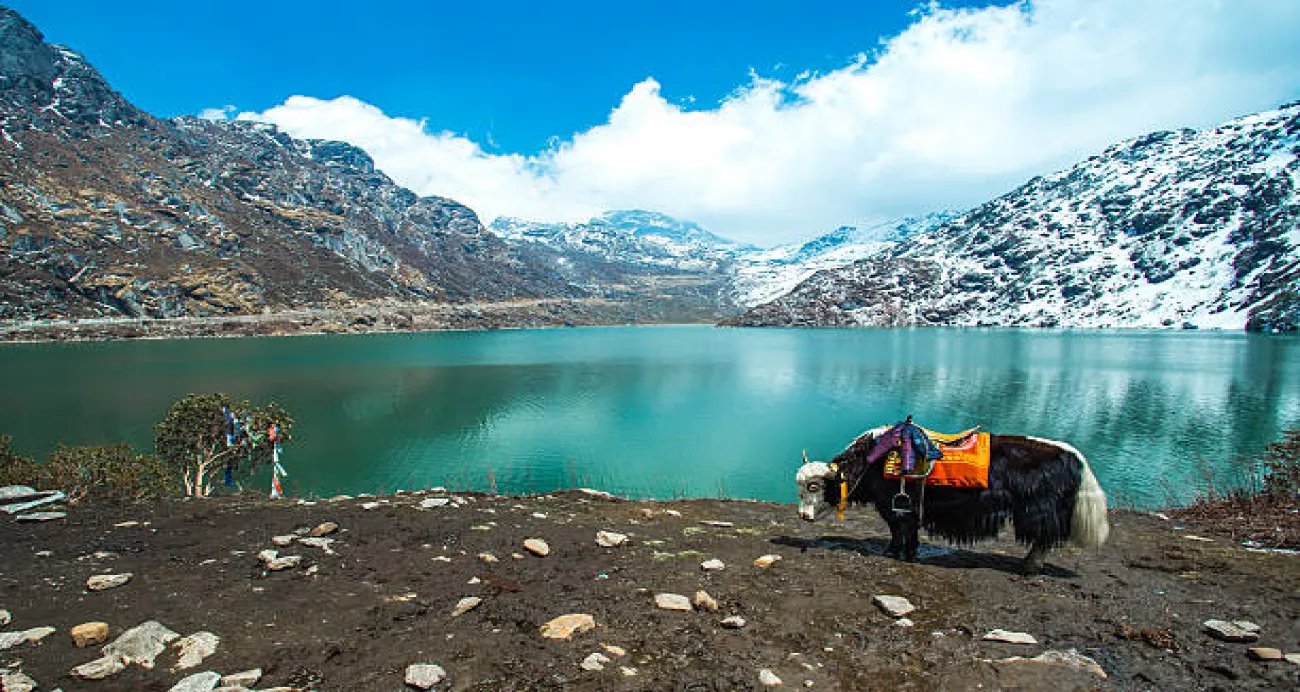
- Tsomgo Lake: A high-altitude, glacial lake located about 35 km from Gangtok.
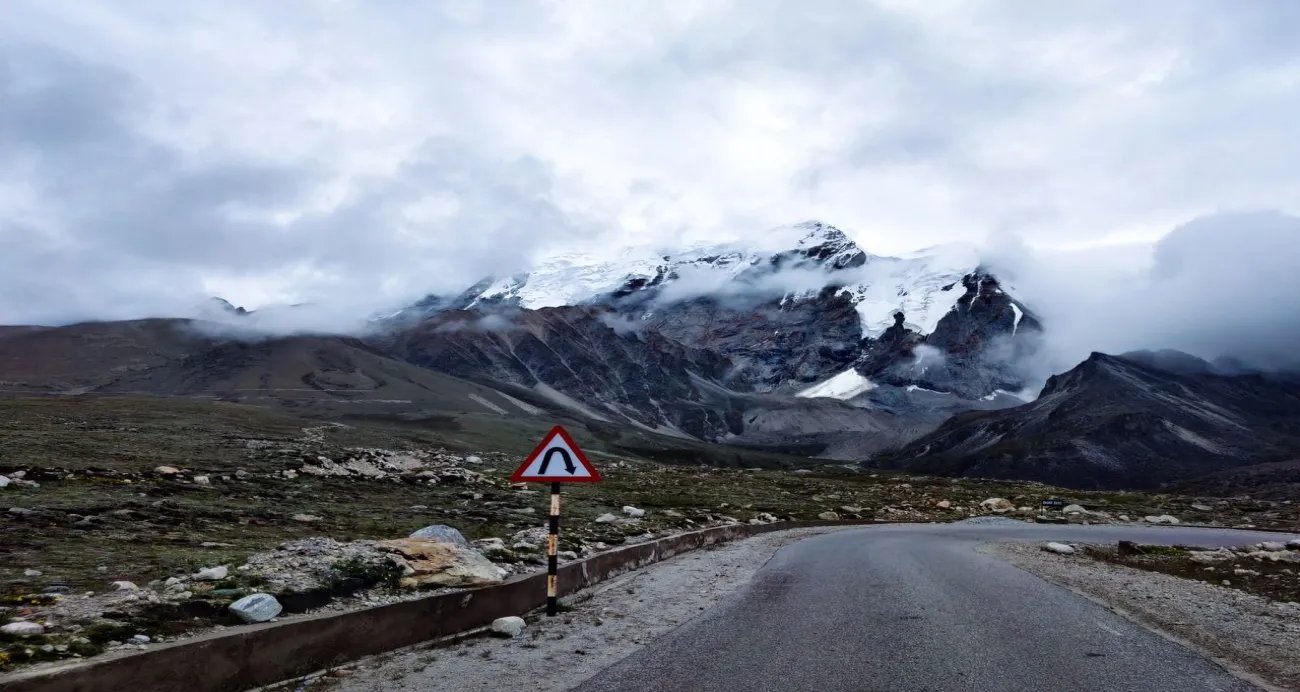
- Nathula Pass: A historic mountain pass on the Indo-China border.
- Khangchendzonga National Park: A UNESCO World Heritage Site covering almost 35% of the state's area.
- Pelling & Ravangla: Towns famous for panoramic views of the Himalayas and the Buddha Park


.jpg)
